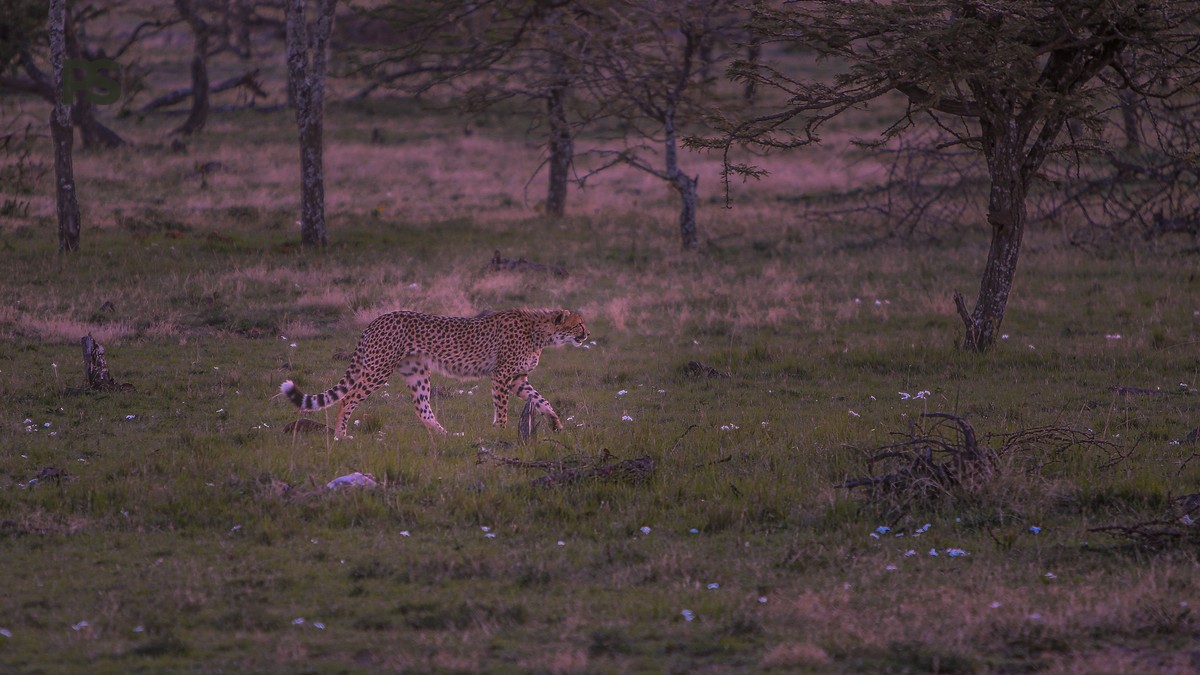
Most families ask me about a Kenya safari guide for Tamil speakers before they even pick a route. That question is smart. It shapes how you book, what you pay, and how much your parents enjoy the trip. This guide puts that choice first and builds a 7-day route around it.
How Much Does a Kenya Safari Guide for Tamil Speakers Cost?
A private, mid-range seven-day Kenya safari costs about USD 2,500 to 3,150 per person, before international flights. A Tamil-speaking guide can add 20 to 30 percent. A separate interpreter usually costs USD 50 to 80 per day. Always confirm whether park fees, guide accommodation, meals, fuel, internal flights, and airport transfers are included.
That range assumes two adults sharing a vehicle and rooms. It is not a luxury quote. Expect solid mid-range camps, not tented palaces.
Park fees make up a big share of the total. The Masai Mara is run by Narok County, not Kenya Wildlife Service. Its non-resident gate fee is USD 200 per adult per day from July to December, and USD 100 from January to June. Amboseli National Park charges USD 90 per adult per day. When a quote looks low, ask what it leaves out. Park fees alone can add several hundred dollars per person.
The Kenya safari cost from Chennai also includes international airfare. No direct flights connect Nairobi and Chennai. Budget USD 600 to 900 for economy tickets with one connection, and allow 9 to 14 hours of travel each way.
What Is the Best 7-Day Kenya Safari Route?
For a first trip, spend two nights in Amboseli and three in the Masai Mara, with Nairobi on arrival and departure days. Drive to Amboseli for elephants and Kilimanjaro views, then fly to the Mara to save a full driving day.
This Masai Mara and Amboseli safari is the most balanced first trip I know. Here is the 7 day Kenya safari itinerary I use for families:
- Day 1: Arrive in Nairobi and rest.
- Day 2: Drive from Nairobi to Amboseli, about 240 km and 4 to 5 hours.
- Day 3: Full morning and evening game drives in Amboseli.
- Day 4: Fly to the Masai Mara rather than drive the whole way.
- Days 5 and 6: Game drives in the Mara, starting before light.
- Day 7: Fly back to Nairobi and connect to your international flight.
By road, Amboseli to the Mara can eat a full day. Driving through Nairobi and out to Narok takes 7 to 9 hours before you reach the reserve. If you can afford the internal flight, take it. You gain a full day of wildlife viewing.
Two camps stand out for families on this route. Ol Tukai Lodge sits close to Amboseli’s elephant herds. Mara Serena Safari Lodge overlooks the Mara Triangle. Both are family-friendly, but ask about age limits for game drives and childminding.
If rhinos matter to you, add one night at Lake Nakuru National Park, though this adds driving time and another USD 90 park fee per adult. With only seven days, I would keep the core Amboseli and Mara route and save Lake Nakuru for a longer trip.
How Do You Find a Tamil-Speaking Safari Guide?
Ask the operator to state the guide’s exact Tamil level: native, conversational, or basic, before you pay. Request a video call, licence details, vehicle information, guide references, and a written replacement plan. If no fluent guide is available, compare a conversational guide with an English-speaking guide plus a Tamil interpreter.
Native Tamil-speaking safari guides in Kenya are scarce. Most Kenyan guides work in English, Swahili, and sometimes Hindi. When you search for a Tamil speaking safari guide Kenya, you are comparing three options.
| Support option | Who you get | Price effect | Best for |
|---|---|---|---|
| Fluent Tamil-speaking guide | Drives, guides, and translates in native Tamil | 20 to 30 percent above a standard quote | Families wanting every detail in Tamil |
| Conversational Tamil-speaking guide | Working Tamil, though wildlife terms may switch to English | Smaller premium, usually easier to book | Mixed groups comfortable with English |
| English-speaking driver plus Tamil interpreter | Driver plus a separate interpreter | USD 50 to 80 per day for the interpreter | Larger groups sharing one interpreter |
A Tamil safari interpreter can be easier to arrange than a fluent guide, and it works well for a group of six or more, since the cost is shared. Plain Safaris builds small-group safaris around a clear language plan, so families are not carrying the interpreter cost alone.
If Hindi is an easier starting point for someone in your family, our Kenya safari planning for Indian-language travellers covers the same route.
What Flights, eTA, Meals, and Booking Details Should You Confirm?
Travellers need a Kenya eTA before departure. The Kenya eTA for Indian passport holders costs USD 30 for a single entry. Apply at least a week ahead, since processing commonly takes two to five working days.
Meals matter as much as game drives. Confirm whether lunch is included on safari days, since many lodges cover breakfast and dinner but not lunch boxes. If you need vegetarian food, halal options, or food for children, send the list to the camp before arrival.
Other details to confirm in writing include internal flights, park fees, fuel, guide accommodation, drinking water, and airport transfers. Ask who meets you after immigration, and what happens if a flight is delayed. Start with our Kenya eTA steps for South Asian passport holders, and run through our Kenya safari packing checklist before you go.
When Is the Best Time to Go?
Visit July to October for dry-season wildlife viewing and the best chance of migration activity in the Masai Mara. January to March generally offers better value and still-good game viewing. Peak season also makes fluent Tamil-speaking guides harder to secure, so start enquiries four to six months ahead.
Book July to October, and the Mara gate fee doubles to USD 200 per adult per day. That is worth it if migration is your priority. Parents wanting calm drives and lower crowds should pick January to March instead, trading migration drama for quieter vehicles and softer light.
Ask Plain Safaris for the guide’s exact Tamil level before you pay. It is the most important question on a multi-generational trip. If the Mara at first light stays with you, ask about conservancies like Naboisho or Mara North, which keep vehicle numbers lower than the main reserve for quieter, small-group safaris.
Ever wonder what the Mara looks like with no other vehicle in sight, just before sunrise? That is the moment most families remember long after the trip ends. Contact Plain Safaris to see if a small-group safari can get you there, with a guide who speaks your language the whole way.