
Rain on a Kenya safari is not an emergency. It is a normal part of the landscape. When thunder starts, though, the question changes. Is safari safe during thunderstorms? The short answer is usually yes, but only with the right vehicle, the right shelter, and a guide who is willing to turn back.
In this post I explain how Kenya guides decide between continuing, sheltering, or canceling. I look at real roads, real camps, and the difference between plain rain and nearby lightning. You do not need perfect weather. You need a clear plan.
Is Safari Safe During Thunderstorms in Kenya?
A Kenya safari is usually safe during a thunderstorm when you remain in the vehicle or a properly sheltered camp and follow your guide’s instructions. The main risks are lightning, flash flooding, slippery roads, falling branches, and reduced visibility, not wildlife suddenly becoming more dangerous. Guides may delay, shorten, reroute, or cancel an outing when conditions become unsafe.
I have watched a storm build over the Ngong Hills while guests were still photographing a lion. The first flash did not change the animals. It changed my route. If lightning was within about 8 km, I moved the vehicle away from open plains and waited. That is the kind of decision that keeps a safari safe.
What Safari Guides Do When Lightning and Heavy Rain Begin
When lightning or intense rain approaches, the guide assesses the storm’s distance, road conditions, visibility, and shelter options before deciding whether to continue. A vehicle may turn back, stop at a safe camp, or wait until the worst passes. Guests should not pressure guides to continue for a sighting. Storm decisions protect both passengers and the vehicle.
At the first flash, a guide near the Talek River may count the seconds until thunder. Five seconds means the storm is about 1.6 km away. Ten seconds means about 3.4 km. That rough count tells us whether to shorten the drive, move to high ground, or pause at a camp. We also check the ground under the tyres. Black cotton soil in the Mara can turn from firm to slick in under 20 minutes.
Why Safari Vehicles Are Safer Than Walking During a Thunderstorm
A closed or hard-topped vehicle is generally a safer place than an exposed trail during a thunderstorm, especially when it is parked away from isolated trees, high ground, and flood channels. Stay seated, keep limbs inside, and follow the driver’s instructions. Walking activities should pause when lightning, strong wind, dangerous mud, or rising water makes trails unsafe.
A hard-topped vehicle is not safe because the rubber tyres make it immune to lightning. The metal frame tends to carry current around the occupants. The main point is that you are not the tallest object on open ground. In a private conservancy such as Naboisho, many vehicles are open-sided. If lightning gets closer than about 10 km, the guide stops the walking group or lowers the vehicle sides. That small change reduces the risk.
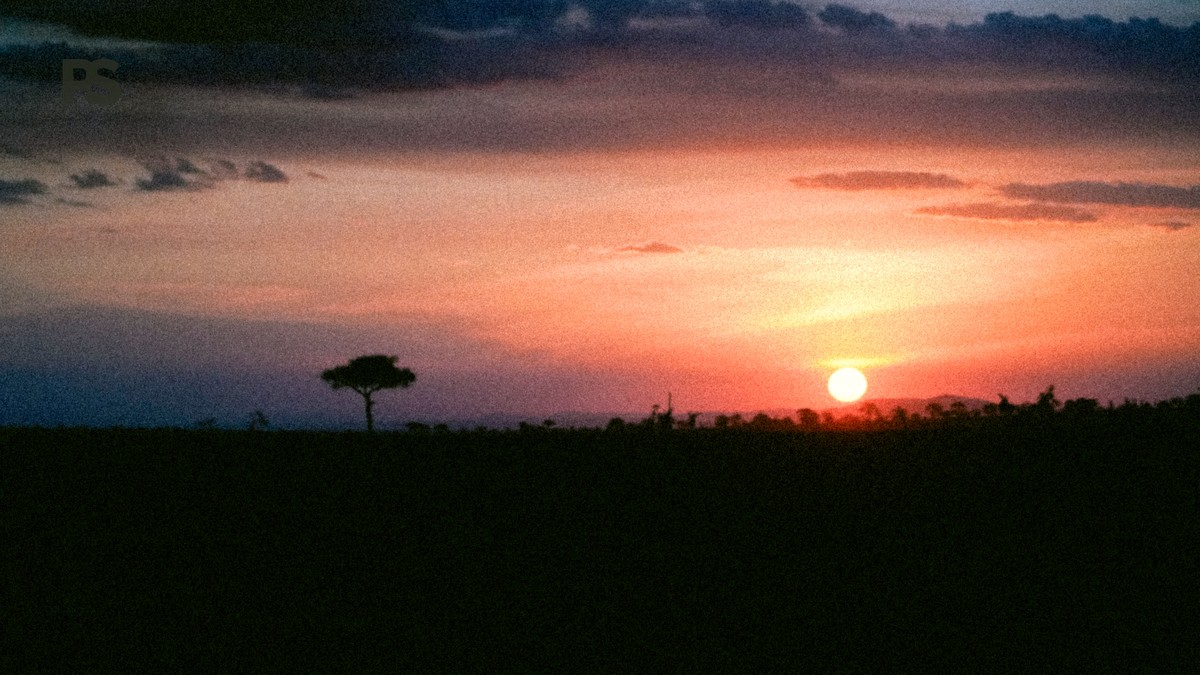
Lightning Safety at Safari Camps and in Tented Accommodation
During lightning, remain inside a substantial lodge building or the camp’s designated storm shelter and stay away from tent poles, metal fixtures, water, windows, and exposed verandas. Keep tent flaps closed and protect electronics and documents in waterproof bags. Ask camp staff where to shelter, because a lightweight tent is not equivalent to a hard-sided building.
When a storm builds over Mara North Conservancy, camp staff usually move guests toward the main mess tent or a concrete bath block. A canvas tent on a raised deck may be dry and comfortable, but it is not a designated storm shelter. Some camps near the Olare Orok River have river-facing tent decks. You do not want to be on that deck when wind and rain hit. Keep electronics in a dry bag and stay away from tent poles, metal zips, and water. If you want more detail, read our guide on how to stay safe in a safari tent.
Flooding, Muddy Roads, and Dangerous Water Crossings
Heavy rain can make Kenya’s safari roads slippery, rut-filled, or temporarily impassable, while dry riverbeds and low crossings can fill rapidly. Never cross floodwater because a route looked safe earlier. Let the guide choose an alternative or wait. A cautious delay is safer than recovering a stuck vehicle, damaging the road, or entering fast-moving water.
Storm rain flows into seasonal rivers and low crossings. Some areas are worse than others. For a month-by-month breakdown, read when Kenya safari roads are most likely to flood.
Kenya Wildlife Service raised non-resident entrance fees at its national parks in October 2025. The Masai Mara is not a KWS park. It is run by Narok County, which sets its own fee. The table below uses current non-resident adult fees for each area.
| Safari area | Approx. drive from Nairobi | Wet-season issue | Non-resident daily fee (adult) | Typical guide decision |
|---|---|---|---|---|
| Masai Mara National Reserve, run by Narok County | about 250 km, 5 to 6 hours | Black cotton soil after Narok, Talek and Mara river crossings | USD 100 Jan to Jun, USD 200 Jul to Dec | Continue in light rain, wait or return when lightning is close and crossings rise |
| Naboisho Conservancy, private | about 270 km, 6 to 7 hours | Fewer vehicles, but rain can cut low-use tracks quickly | USD 80 to 150 per person per night, bundled into lodge rate | Avoid exposed plains during lightning, keep near higher ground |
| Amboseli National Park | about 240 km, 4 to 5 hours | Volcanic ash becomes slick, lake bed floods | USD 90 | Slow down, avoid the flooded lake basin and Emali approach after heavy rain |
| Lake Nakuru National Park | about 160 km, 3 hours | Mostly tarmac access, park tracks drain faster | USD 90 | Usually less disruption, still avoid flooded causeways |
| Tsavo East or Tsavo West National Park | about 333 km East, 280 km West, 5 to 6 hours | Sand rivers flood fast, black cotton in places | USD 80 | Crossings become impassable, reroute or wait at higher ground |
What to Pack for a Rainy-Season Kenya Safari
Pack a lightweight waterproof jacket or poncho, quick-drying layers, closed shoes with grip, a waterproof phone and camera bag, spare socks, and a dry bag for documents. Safari vehicles often carry ponchos, but personal rainwear is more reliable. Avoid depending on umbrellas in exposed areas, where wind, lightning, and limited visibility make them impractical.
On a Mara morning, temperatures can drop from about 22 degrees Celsius to 14 degrees Celsius during an afternoon storm. A fleece under a rain shell does more than a heavy cotton hoodie. Pack a spare memory card and plastic zip bags, because camera gear fails fast when dust mixes with rain.
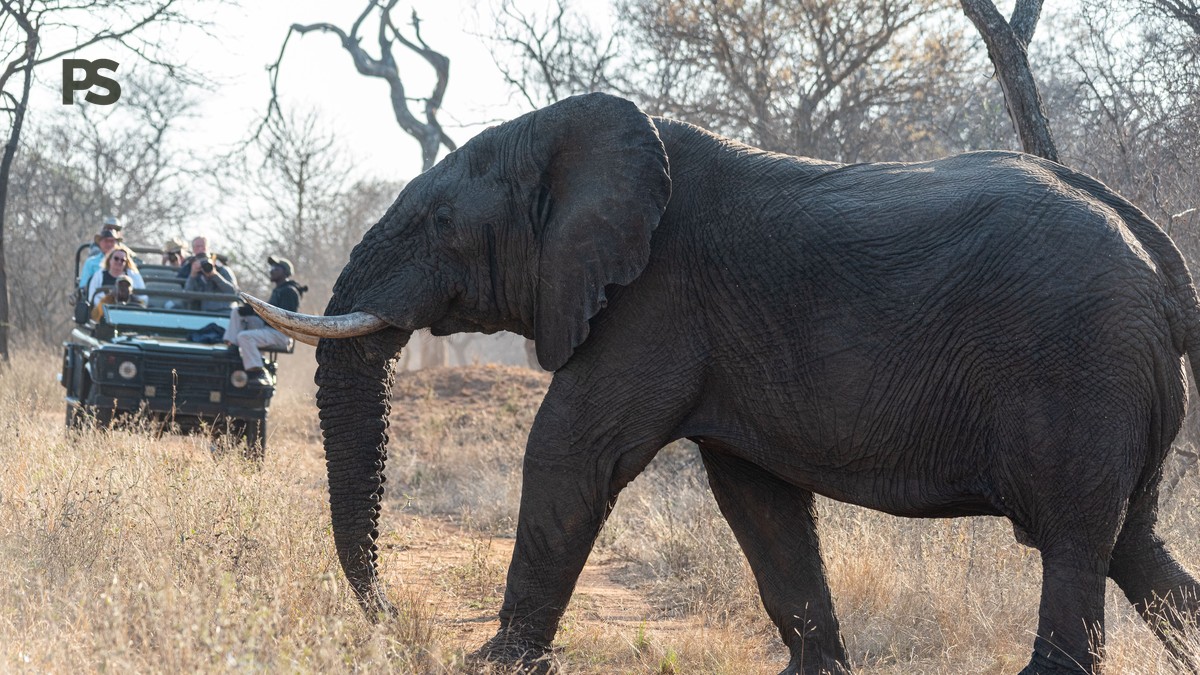
Whether Thunderstorms Cancel Game Drives and Walking Safaris
Rain alone does not automatically cancel a Kenya game drive, but nearby lightning, severe wind, flooding, or unsafe visibility can postpone or end it early. Walking safaris have a lower tolerance for storms because guests are exposed and trails become muddy or hazardous. The operator may substitute a later drive, a camp activity, or a safer route.
A walking safari in Naboisho Conservancy may be moved from 06:30 to 16:00 after a storm passes. A game drive in Amboseli may return to camp early and head out again when the sun returns. That flexibility preserves the safari. It also means you should not book a trip with no room for schedule changes.
Wildlife Viewing During and After Thunderstorms
Thunderstorms can interrupt viewing while rain is falling, but wildlife may become active again after the storm as temperatures drop and fresh water reaches the landscape. Expect less predictable sightings rather than an automatically worse safari. The best strategy is flexibility: accept a shorter drive during the storm and use the safer post-storm window when roads and visibility improve.
In Tsavo West, elephants often drink from flooded rock pools near Mzima Springs after a downpour. In the Mara, cheetahs may move after the grass dries and the air cools. The first 45 minutes after heavy rain can be quiet, but the next two hours can be busy. A storm can reset the day, not ruin it.
The Plain Safaris Difference
Plain Safaris approaches storm days through operations, not luck. We build routes with alternative exits, choose camps with clear storm shelters, and talk through the day’s decision before guests are in the vehicle. If the road to one gate is worse after rain, we use another. If a walking safari needs to pause, we do not sell it anyway. That is how a first-time safari traveler stays safe without missing the trip.
Frequently Asked Questions
Is safari safe during thunderstorms?
Usually, yes, if you stay in a suitable vehicle or camp shelter and follow the guide’s instructions. The decision may change quickly because lightning, flash floods, high winds, and poor visibility can make a route unsafe.
Do safari vehicles go out in thunderstorms?
Some vehicles may continue in ordinary rain, but guides generally avoid driving during nearby lightning, severe wind, flooding, or dangerously poor visibility. A drive may be delayed, rerouted, shortened, or cancelled until conditions improve.
Is it safe to stay in a safari tent during a thunderstorm?
Ask camp staff where the safest shelter is before the storm arrives. A lightweight tent may offer protection from rain but is not the same as a substantial lightning shelter, so avoid exposed verandas, metal fixtures, water, and tent poles during intense lightning.
Can you do a walking safari during a thunderstorm?
Walking safaris should normally pause when lightning, strong wind, heavy rain, or rapidly worsening trail conditions develop. Guests are more exposed on foot, and wet trails, slippery ground, and sudden water flow can create hazards that do not exist during a sheltered vehicle drive.
What happens if it rains heavily on safari?
The guide may provide ponchos, slow down, seek shelter, turn back, or end the drive early. Roads can become muddy and water levels can rise quickly, but the safari is not necessarily ruined. Wildlife may become active after the storm and the operator can often offer a later outing.
Plan a Rain-Safe Kenya Safari with Plain Safaris
Plan your Kenya safari with Plain Safaris. We will check current road conditions, match you with camps that have proper storm shelters, and build extra time into the driving day. Start with our contact page and tell us which parks or conservancies you are considering.