
Can I see wildlife without crowds? Yes, but that comes from route and timing choices, not from hoping for an empty Mara. I once queued at a Talek River crossing, then drove 40 minutes into Naboisho Conservancy and watched the same lioness with two vehicles.
Kenya has busy circuits and quiet corners. Most visitors crowd the same migration zones in August and September. The quieter answer lies in Samburu, Laikipia, Meru, Shaba, Chyulu Hills, and the private conservancies around the Mara. You may give up a famous crossing or pay more for a low-vehicle area.
Can I See Wildlife Without Crowds? Best Time to Go in Kenya
For the quietest Kenya safari, choose April-May or November, accepting a higher chance of rain and muddier roads. January-February and June offer a stronger balance of clear weather, good wildlife viewing, and fewer visitors than the July-September migration peak.
April and May are the long rains. Some roads get slick and a few small camps close, but the rewards are real: half-empty parks, softer rates, and very few minibuses. November brings short rains. The grass is green, the air clears, and the migration has usually moved south. You will not get the big crossings, but you may get a leopard in perfect light with no one else around.
January and February are my favorite compromise. The short dry season keeps tracks firm, the Mara is green from earlier rains, and predators are easier to follow. June is the quiet before the storm: wildebeest may be arriving in the western Mara, but the full August crush has not yet formed.
Masai Mara National Reserve fees reflect the season. Narok County sets the non-resident rate at USD 100 per adult per day from January to June, and USD 200 from July to December. That is a county reserve fee, not a KWS fee. The lower-price months tend to be the less crowded months too.
Which Kenyan parks and conservancies are quietest?
For fewer vehicles, look beyond the busiest Masai Mara and Amboseli circuits to private Mara conservancies, Laikipia, Samburu, Meru, Tsavo West, and Tsavo East. Private conservancies usually give the quietest sightings because access is limited, while northern parks and Tsavo spread visitors across larger areas.
The table below uses real drive times from Nairobi and current non-resident entry fees where available, labeled as an indicative range where no published fee exists.
| Destination | Access from Nairobi | Drive time | Adult non-resident entry or access | What quieter really gives you |
|---|---|---|---|---|
| Masai Mara National Reserve | About 250 km via Narok | 5-6 hours | USD 100/day Jan-Jun, USD 200 Jul-Dec, county fee | Big cats and migration, but vehicles cluster at Talek and Mara River crossings |
| Mara North or Naboisho Conservancy | About 250 km via Narok, then conservancy gate | 5-6 hours | Roughly USD 80-150 per person per night, bundled by lodge | Lion, leopard, elephant on near-empty tracks; reserve entry costs extra |
| Amboseli National Park | About 220 km via Emali | 4-5 hours | USD 90 per adult per day, KWS | Elephants near swamps, but heavy vehicle pressure at those spots |
| Samburu National Reserve | About 315 km via Nanyuki or Isiolo | 6-7 hours | Roughly KES 8,000-13,000/day, indicative | Grevy’s zebra, reticulated giraffe, gerenuk, leopard; fewer minibuses |
| Meru National Park | About 350 km via Embu | 6-7 hours | Roughly KES 8,000-12,000/day, indicative | Rhino sanctuary, lions, open country; very low visitor density |
| Chyulu Hills National Park | About 210 km via Emali | 4-5 hours | USD 40 per adult per day, KWS | Elephants and green hills, almost no traffic; lower predator density |
Samburu National Reserve is my usual answer for repeat visitors who want a different Kenya. The drive goes through Nanyuki, then past Archer’s Post to the western gate. At first light, the doum palms along the Ewaso Nyiro feel removed from the Mara’s radio chatter.
Meru National Park is even quieter. It is a long road from Nairobi via Embu, around 350 km, and most operators skip it because Tsavo is easier to sell. But Meru has a fenced rhino sanctuary, large open plains, and very few vehicles. I have spent a full morning there without seeing another vehicle.
Chyulu Hills National Park is a short hop from Emali, about 210 km from Nairobi, and the KWS fee is USD 40 per adult per day. It is not a Big Five circuit in the classic sense. The elephants are regular, the views of Kilimanjaro are constant, and traffic is almost nonexistent.
How private conservancies reduce vehicle crowds
Private conservancies limit crowds by restricting entry to guests at participating camps and controlling vehicle numbers at sightings. They may also allow off-road driving, night drives, or walking that reserves restrict. Rates run higher, and crossings may still require entering the busier reserve.
The gate matters more than most visitors expect. On the Mara’s busy side, everyone enters through Talek or Sekenani and works the same loops. A conservancy gate near Aitong for Mara North, or off the C11 toward Naboisho, changes the day completely.
Conservancies also manage sightings differently, capping vehicles at a sighting, often around three to five, with a rotating viewing order. Mara North and Naboisho are not empty, but they are far quieter than the central reserve in July.
If you are deciding whether to pay extra, read our full breakdown of whether private conservancies are worth the extra cost before you commit. Some rates cover night drives and walking, and some still charge a separate fee for a central reserve crossing.
How to avoid crowds during daily game drives
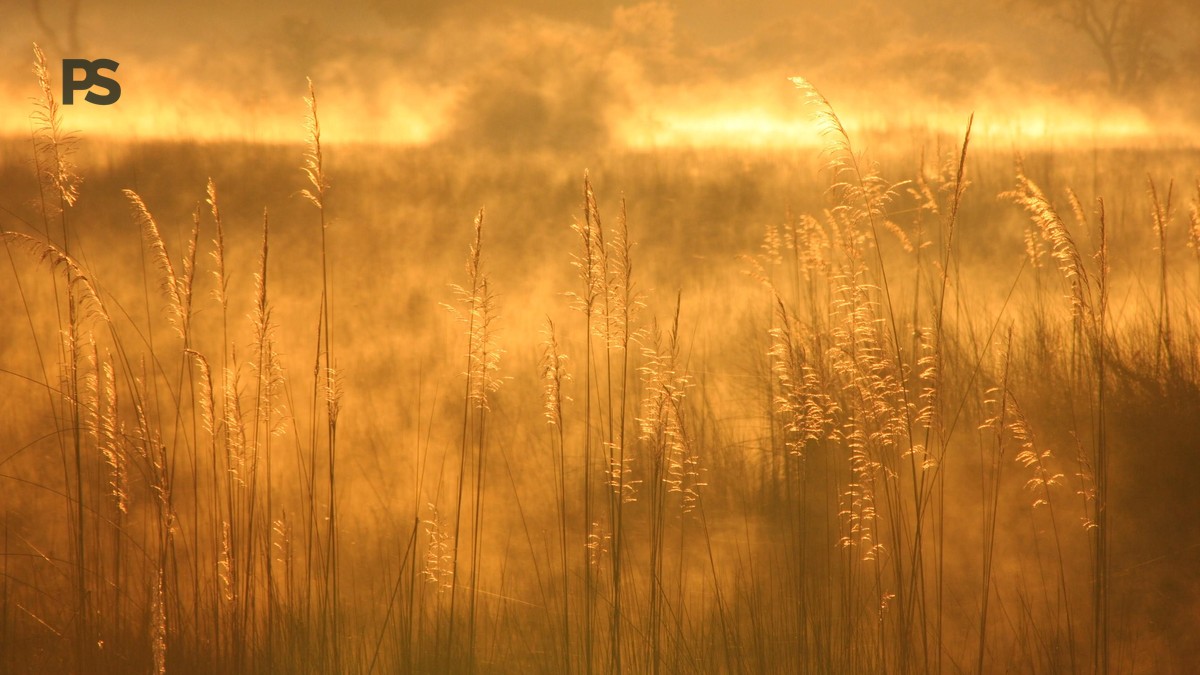
Leave camp around 6:15 a.m., before most guests finish breakfast, and stay out until close to the evening gate time. The busiest period is often roughly 9 a.m. to noon on popular circuits, while midday can be quieter as vehicles return for lunch.
My standard rule is first car at the gate or conservancy exit. In Samburu, that means leaving before the sun clears the river. In the Mara reserve, it means being through Talek Gate as it opens. The first hour is quieter, cooler, and predators are still active.
Stay inside the wildlife area. A lodge in Talek town may be cheaper, but you lose 20 to 40 minutes each way reaching the gate. A camp inside the reserve or conservancy puts you in the viewing area from the first minute.
Use a private vehicle where possible. Shared vehicles tie you to other guests’ schedules and pressure you to stick to the main loops. A private guide can leave a crowded sighting or return at a different time.
What you trade off for a quieter safari
A quieter safari may mean missing famous migration crossings, accepting green-season rain, driving farther between sightings, or paying more for a conservancy. Lesser-known parks deliver excellent elephants, predators, rhinos, and rare northern species, but no destination guarantees solitude or every Big Five sighting.
If you go to Samburu or Meru in April, you may see no wildebeest at all. That is not a flaw, just a different safari. Samburu gives you species you cannot see in the Mara: Grevy’s zebra, reticulated giraffe, gerenuk, and Beisa oryx. For rhino and wild dog on quiet roads, see our Laikipia and Ol Pejeta safari guide, covering the private ranches around Nanyuki.
The biggest sacrifice is the migration crossing. If watching thousands of wildebeest enter the Mara River is the goal, you need the Mara in July to September, and you will share that moment. Staying in a conservancy and entering at dawn helps, but you cannot make it private.
Green-season travel has smaller trade-offs: soft roads, unpredictable rain, slick airstrips, and some camps shut for maintenance. The reward is genuinely empty parks and rates that drop by 20 to 35 percent.
How much does a low-crowd Kenya safari cost?
The quietest options usually cost more with private conservancies, exclusive vehicles, or fly-in camps, while green-season travel and less famous parks reduce the total. Compare the full package, not the nightly rate: fees, flights, transfers, and activities decide the real value.
A low-season conservancy stay in Naboisho or Mara North might run from roughly USD 450 to USD 700 per person per night full board. That includes the conservancy access fee in the USD 80 to 150 range, but not a central Mara reserve day fee. A basic lodge outside Samburu could cost less than half that, but you lose quiet hours on the transfer.
The best value often comes from mixing one quiet park with one conservancy: fly into Samburu for three nights, drive to Laikipia for two nights at a private ranch, then leave through Nanyuki. That is why it helps to understand how Kenya safari prices change by season.
Do not compare only the nightly rate. A fly-in package may look expensive until you add road transfers and wasted travel days. A road itinerary may look cheap until you count the hours on the Nanyuki highway. Flying to Samburu’s airstrip gives you an evening game drive instead of a late, tired arrival.
The Plain Safaris Difference
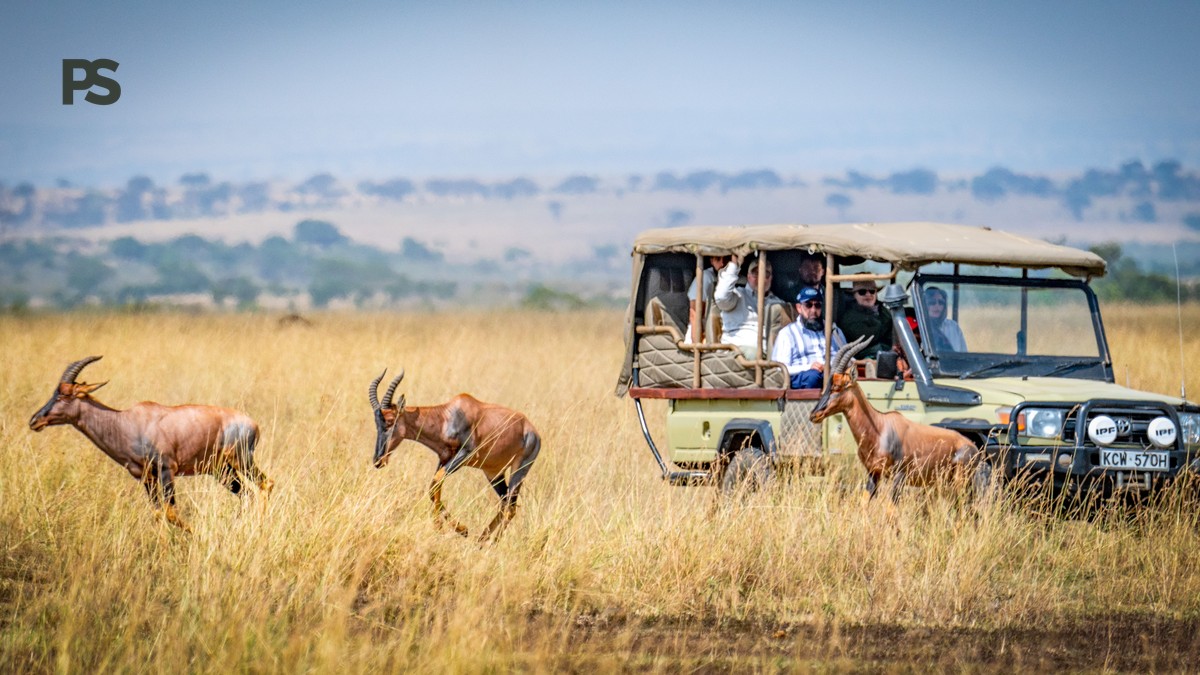
We plan routes from the gate opening time, not from a template. If you tell us you want quiet sightings, we will not send you to the central Mara in August and call it a low-crowd trip. We will put the first drive of the day at 6:15 a.m., explain which conservancy gate gives you the right access, and tell you when staying inside the park is worth the extra money.
We also know the trade-offs. We will be direct when Samburu is the wrong fit because you want migration action, and we will not pretend Chyulu has the predator density of the Mara. Our job is to match the route to the kind of quiet you want.
Frequently Asked Questions
What is the best time to go on safari without crowds?
April-May and November are generally the quietest periods in Kenya, with lower demand and better rates, but a greater chance of rain. January-February and June are useful alternatives for fewer visitors with more reliable weather.
Can you see the Big Five without crowds in Kenya?
Yes, but sightings are never guaranteed and the location matters. Private Mara conservancies, Laikipia, Tsavo, and selected smaller reserves can produce excellent lion, leopard, elephant, buffalo, and rhino encounters with fewer vehicles.
Is the Masai Mara too crowded in July?
Parts of the Masai Mara can be crowded in July, especially near major migration activity and river-crossing points. The entire Mara is not uniformly busy. A private conservancy and early or late drives give a quieter experience.
Are private conservancies worth it for avoiding crowds?
They can be worth the extra cost if solitude, flexible driving, and activities such as walking or night drives matter more than a low nightly rate. They suit you less if the goal is a specific river crossing or the cheapest safari.
How do you avoid safari vehicle crowds?
Choose a less-visited park or conservancy, travel outside July-September and festive peaks, and request the first vehicle departure. A private vehicle lets the guide leave crowded sightings.
Plan Your Quieter Kenya Safari
Tell us what you want from a quiet trip: Samburu’s northern species, Meru’s remote rhino country, a low-season Mara conservancy, or a mix. We will build the route around it. Plan this trip with Plain Safaris.