
If you have already been on a standard Mara circuit, you know the drill. Three nights in a mid-range camp. A full-day game drive with a fixed lunch box. A queue of vehicles at anything resembling a lion. Now you are planning differently. You still want the river crossing, but you do not want the traffic jam that often comes with it. That is the right instinct, especially for a Dutch speaker who asks precise questions about distance, cost, and what a normal morning actually looks like. This guide sets out the great migration river crossing timing dutch speakers can actually plan around, month by month, with real odds, real crowds, and real cost.
Let me start with the honest framework. No operator can guarantee you a river crossing. The Mara River crossings run on rainfall, herd mood, and crocodile pressure, not a calendar. What you can control is the window you choose, the camp you book, and the number of nights you stay. Get those three right and your odds improve a lot.
Great Migration River Crossing Timing Dutch Speakers Should Plan Around
The wildebeest and zebra start moving north out of Tanzania’s Serengeti around May and June. By mid-July, most years, the first large herds cross the Sand River into Kenya’s Maasai Mara. The main Mara River crossing drama then plays out from late July through September. October fades fast as herds start the return south.
Within that window, August is the single strongest month overall. That is not my opinion. It reflects two decades of movement data. By early August, most herds are well inside the Mara river country. The grass is still green enough to hold them. Daily crossings happen somewhere along the river. September is nearly as strong, especially in the first three weeks. October is the fading month. Some years the herds leave for Tanzania in the first week of October. Other years they linger into November.
Here is the practical calendar for your trip planning.
| Month | Crossing odds in the Mara | Crowd level | Indicative mid-range Kenya cost, per person per night | Reserve entry fee per adult per day |
|---|---|---|---|---|
| July | Moderate, building after mid-month | High by late July | USD 350 to 800 | USD 200 |
| August | Highest overall | Highest | USD 450 to 1,000+ | USD 200 |
| September | Strong, especially weeks one and two | High but tapering after week two | USD 400 to 950 | USD 200 |
| October | Moderate, fading fast | Moderate after week two | USD 350 to 850 | USD 200 |
The Maasai Mara National Reserve is run by Narok County, not by Kenya Wildlife Service. Do not attribute the USD 200 non-resident adult fee to KWS. That fee applies every day from July through December. From January to June it drops to USD 100. Private conservancies bill a separate fee, roughly USD 80 to 150 per person per night, bundled into the lodge rate.
The indicative camp costs above are all-inclusive mid-range to upper-mid range, per person per night. They are clearly labeled as indicative because lodge rates move with season, length of stay, and operator contract. Confirm your exact price with the operator before paying.
For more on seasonal timing, see our month-by-month safari calendar. For the money side, see Kenya safari prices by season.
August or September Great Migration: The Honest Trade-off
August gives you the strongest overall crossing odds. It also gives you the highest prices and the most vehicles. The central reserve can feel full, especially around the main crossing points at Paradise, Lookout, and the river bend near Governors’ Camp. If you dislike queues, pure August inside the reserve can be a shock.
September often delivers a better balance. The herds are still present. The river is still crossing. The crowds start to thin after the second week. Many families have gone back to school by the first week of September. Lodge rates can dip slightly, though the reserve fee stays at USD 200. For a repeat visitor, late August into early September is the sweet spot. You lose almost nothing on crossing odds and gain a real reduction in vehicle traffic.
October is a value play but a serious gamble if the crossing is your main goal. If the herds leave early, you will pay October prices for a quiet Mara without the big river drama. That suits birders, photographers, and travelers who want empty landscapes. It does not suit someone whose main checklist item is a crocodile-filled river crossing.
Northbound versus southbound crossings
The famous northbound crossings happen as herds push from the Serengeti into the Mara, mostly mid-July through August. These are the ones you see in documentaries. Big columns of wildebeest pile into the river, crocodiles move, and panic follows.
The southbound return crossings happen from late September into early November, often in October. They are smaller, more scattered, and faster because the herd has spread out. They can still be dramatic, but the northbound window is the more reliable one to book around. If your dates are locked in October, stay near the river and hope for a late season. Do not pitch the trip to your family as a guaranteed crossing.
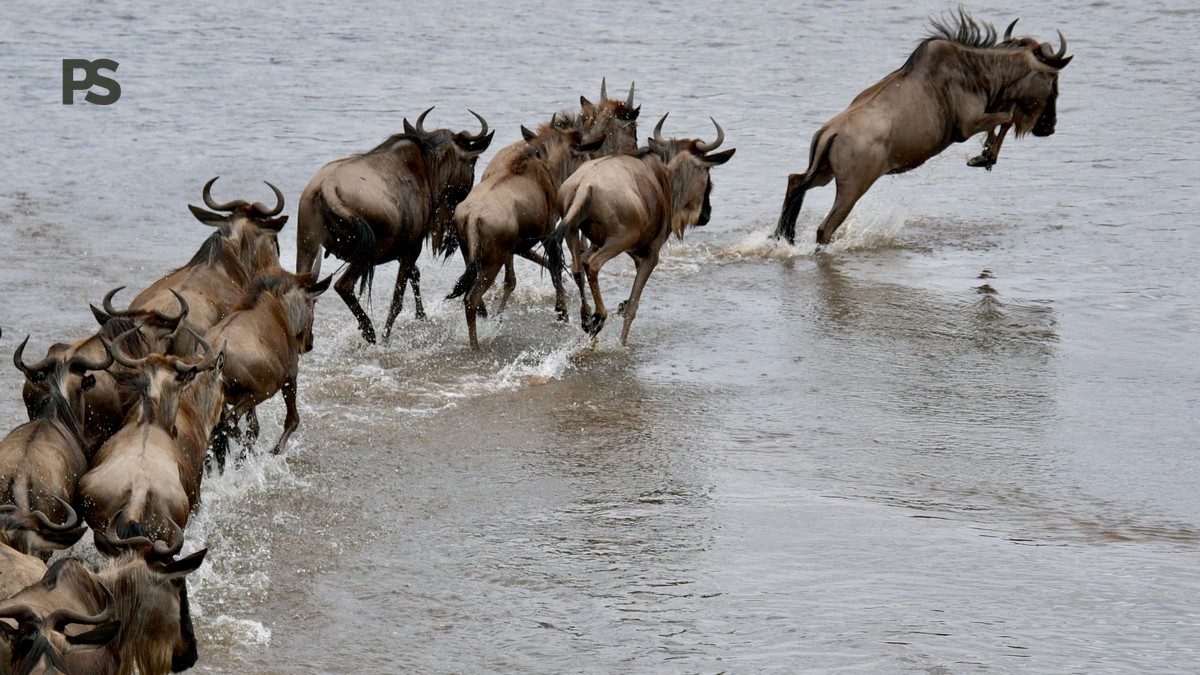
Can a river crossing be guaranteed?
No. Treat any operator who says yes with caution. Wildebeest can stand on a riverbank for two days, walk away, come back, and cross when nobody is watching. A crossing can happen at dawn while you are still at the lodge. Or in the late afternoon after the reserve gate has pushed you out. That unpredictability is what makes it spectacular. It is also why four or five nights matter more than any single game drive strategy.
How many nights should you stay?
For crossing-focused travel, four nights in a private conservancy camp is the minimum I would recommend. Five nights is better. Here is why. If reserve crossings erupt three times in a week, a three-night stay might miss two of them. A four or five night stay gives you multiple mornings along the river. You also get one or two full days inside the reserve where the classic crossing points sit.
Best time of day to watch a crossing
Most crossings build through the morning as herds gather at the river edge. Mid-morning to early afternoon gives you the best chance of seeing the decision point. But crossings happen at any hour. Some of the most memorable ones come just after first light, when the air is cold and only a few vehicles are out. That is what a quiet corner of the Mara looks like at dawn. A giraffe browsing a whistling thorn. A hyena trotting home on the track. No engines revving. If your camp can get you to the river quickly, or if you sleep inside the reserve, that early morning advantage is real.
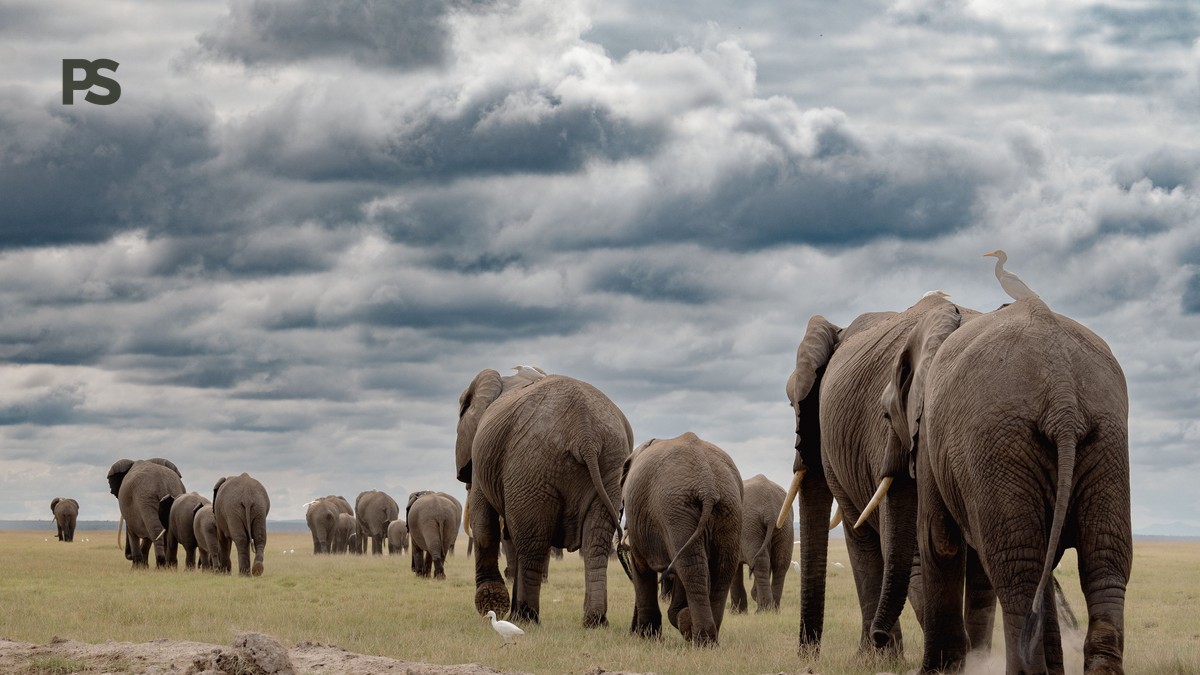
How to avoid crowds and choose the right Maasai Mara river crossing camps
The central Maasai Mara National Reserve has no strict vehicle limit at crossing hotspots. On a good August morning, you can see 30 or more vehicles at Paradise Crossing. The Mara Triangle, the western section run by the Mara Conservancy, is quieter. Staying at Mara Serena Safari Lodge or a smaller Triangle camp puts you 15 to 25 minutes from the main Triangle crossing points and away from central reserve traffic.
Private conservancies solve the crowd problem differently. Mara North Conservancy and Naboisho Conservancy sit north of the reserve and share unfenced boundaries with it. Vehicle numbers stay low because camp allocation is tied to a low-density accommodation cap, not open booking. Naboisho Conservancy in particular limits the number of tents and beds allowed per acre of conservancy land, an indicative low-density rule rather than a strict vehicle count. That land-use cap is what keeps sightings uncrowded even in peak season. You rarely see more than two or three vehicles at a sighting. The trade-off is distance to the reserve river crossings.
| Camp or area | Land status | Rough drive to main reserve crossing points | Daily access fee per adult |
|---|---|---|---|
| Governors’ Camp, river bend | National Reserve | On the river, under 15 minutes | USD 200 reserve |
| Mara Serena Safari Lodge | Mara Triangle | 15 to 25 minutes to Triangle crossings | USD 200 reserve |
| Kicheche Mara North | Mara North Conservancy | 40 to 50 minutes to reserve river sections | USD 100 to 150 conservancy |
| Naboisho Camp | Naboisho Conservancy | 45 to 60 minutes to reserve river sections | USD 80 to 150 conservancy |
| Encounter Mara | Naboisho Conservancy | 45 to 60 minutes to reserve river sections | USD 80 to 150 conservancy |
These drive times are rough dry-season estimates at game-drive pace. After heavy rain, black cotton soil adds 15 to 30 minutes. The conservancy fee is bundled into your camp rate, so you do not pay it at a gate.
For a Dutch speaker weighing comfort, crowd levels, and crossing access, the best play is often a split. Spend two nights inside the reserve or Triangle for pure river proximity. Then spend three nights in a conservancy camp for low-traffic game drives and walking. You get proximity when it matters and breathing room when you want it.
Getting there and moving around
Nairobi to the Mara by road is roughly five to six hours. The last hour or two is often rough. A scheduled flight from Wilson Airport to an airstrip like Musiara, Mara North, or Naboisho takes about 40 to 50 minutes, then a short game-drive transfer to camp. If you plan to combine the Mara with Samburu, Laikipia, or Meru, flying saves a full lost day. Our driving versus flying between safari destinations page lays out those trade-offs with real route examples, including the Nairobi to Narok to Sekenani gate route and the quieter Lemek gate used by conservancy camps.
The gate you use changes your morning. Staying at a conservancy camp means entering the reserve through gates like Musiara or the Sekenani side. That can mean a 20 to 30 minute drive from your tent before you are on reserve soil. A camp inside the Triangle or near the river bend starts you closer. This is why the split stay works so well.
The wider year-round Great Migration cycle
The river crossings are only one chapter. The herds calve in the southern Serengeti around February. They push northwest into the Grumeti and Ikorongo areas around May and June. They cross the Mara River from July through September. They drift back south as the short rains begin in November.
If you cannot travel in August or September, the calving season in February is a quieter, much cheaper alternative. October works for a combined trip. Take a few river days in the Mara, then fly up to Samburu where the dry season concentrates wildlife along the Ewaso Nyiro River. Laikipia and Meru are also good October options if you want to avoid the Mara crowds entirely.
Dutch-speaking families often ask about packing. Morning game drives in July and August start cold, often 8 to 10 degrees Celsius, then climb into the high twenties by midday. Pack layers, not a heavy jacket. A fleece, a windproof shell, and a good hat. A camera with a 200 to 400 mm lens helps on the riverbanks. A folding tripod is useful too. Book your Nairobi airport transfer early. A missed connection to Wilson Airport can cost you an entire day of a short crossing window.
The Plain Safaris Difference
We plan around drive times, gate choices, and the real odds of each month, not around brochure language. We tell you when a river crossing is likely and when it is a gamble. We also know that Dutch speakers tend to ask sharper questions about money and logistics. We answer them directly. If August is out of budget, we will say so and build a late August into September option that drops the price without dropping the odds by much. If you want Samburu, Laikipia, Meru, Shaba, or Chyulu Hills instead of a second Mara trip, we will build that route honestly. Real distances, real drive times, current fees, all written out before you pay anything. We would rather you book fewer days with better positioning than more days in the wrong camp.
Ready to plan your Great Migration river crossing safari?
Tell us which month you are torn between, how many nights you can take, and whether you want the reserve, the conservancies, or a split. We will map the real distances, the current fees, and the honest odds of a crossing during your dates.
Start with our contact page to start the conversation.