
I have done this drive three times with my own kids, and I can tell you the truth. When you travel Kenya with kids, you will find it is one of the best trips you will ever take. It is also one that rewards careful planning more than almost any other holiday. The difference between a stressful trip and a smooth one comes down to a few decisions made months before you fly. This guide walks you through those decisions, one by one, so you can plan a trip that works for your family, not just for the brochure photos.
Best Time to Travel Kenya With Kids
School holidays drive most family safari dates. That is okay, because Kenya works well in both main windows.
July to October is the dry season and the wildebeest migration peak in the Masai Mara. You will see big river crossings and huge herds. The trade-off is price, plus higher visitor numbers at popular viewpoints. The Mara’s entrance fee also jumps from USD 100 to USD 200 per adult per day in this period, so a family of four pays significantly more.
December to February is the other dry window. The south of Kenya is green, baby animals are common, and the crowds are thinner. The Mara fee sits at USD 100 per adult per day. This is my personal pick for families with young children because there is more space at viewpoints and the pace feels calmer.
March to May is the long rain season. Some lodges close. Roads get muddy. I would skip it with kids unless you have a very flexible plan.
Visa and eTA Entry Requirements
Every foreign visitor to Kenya, including children, needs an eTA before travel. This includes infants. Apply online through the official Kenya eTA portal at least two weeks before departure. It costs about USD 34 per person and takes a few days to process.
You will also need passports valid for at least six months beyond your travel dates, plus proof of yellow fever vaccination if you are arriving from a country with yellow fever risk. A printed copy of your eTA and accommodation booking helps speed you through immigration at Nairobi’s Jomo Kenyatta International Airport.
Health, Vaccinations, and Malaria Precautions
Book a travel clinic appointment six to eight weeks before you fly. Your kids will need routine vaccinations up to date, and most travelers add hepatitis A and typhoid. Yellow fever vaccination is recommended for Kenya, and you will need the certificate at border crossings.
Malaria is present in most safari areas below about 2,500 meters. That includes the Masai Mara, Amboseli, and Tsavo. Nairobi city itself sits at 1,795 meters and has low malaria risk. Antimalarial medication for children is safe and standard. Your travel clinic will prescribe a pediatric dose of atovaquone-proguanil or similar based on your child’s weight.
Dengue fever is a lesser concern but present year-round. The practical protection is the same: long sleeves at dusk, insect repellent with at least 30% DEET on children over two months old, and mosquito nets provided by all the camps we recommend.

How to Get Around Kenya With Children
This is the single biggest planning decision you will make. You have two main options.
Road safaris work well for one or two parks close to Nairobi. The drive to Amboseli takes about 3.5 to 4 hours along a mostly tarmac road. Lake Nakuru is a similar 3-hour drive. But the Masai Mara is a different story. The road journey runs 5 to 6 hours, and the last stretch from Narok town is rough gravel that rattles your teeth. A 6-year-old will not enjoy the final two hours. Neither will you. See how long the drive to the Masai Mara is for the full breakdown.
Domestic flights change the family experience completely. A 45-minute flight from Nairobi’s Wilson Airport to the Mara’s Ol Kiombo Airstrip replaces the full day of driving. The same applies to Amboseli, Samburu, and the coastal parks. Most camps include airstrip transfers in their rates. For children under 5, many airlines require them to sit on a parent’s lap for the light aircraft flights, while older kids get their own seat. Weight limits for checked luggage sit around 15 kg per person in soft bags, so pack accordingly.
| Route | Road time | Flight time | Typical road distance | Best for families? |
|---|---|---|---|---|
| Nairobi to Amboseli | 3.5 – 4 hours | 40 minutes | 240 km | Yes, road is fine |
| Nairobi to Lake Nakuru | 3 hours | 45 minutes | 160 km | Yes, road is fine |
| Nairobi to Masai Mara | 5 – 6 hours | 45 minutes | 270 km | Fly if under 10 |
| Nairobi to Samburu | 5 – 6 hours | 1 hour 15 min | 330 km | Fly if under 10 |
| Nairobi to Tsavo East | 4 – 5 hours | 1 hour | 300 km | Yes, road is fine |
My honest advice: if your kids are under 10 and your itinerary includes the Mara or Samburu, fly between parks and use road transfers for short hops. Your children will arrive fresh for the afternoon game drive instead of exhausted and car-sick.
Kid-Friendly Safari Ages and Park Choices
There is no perfect age, but there is a practical one. Children aged 5 to 12 tend to get the most from a safari. They can follow a lion track, remember what a warthog is called, and stay engaged for a two-hour game drive. Children under 5 will enjoy moments, but they will also need more breaks, snacks, and nap time in the vehicle.
Some lodges set a minimum age of 6 or 7 for kids on walking safaris, and a few high-end camps do not accept children under 6 at all. Check this before booking, not after. For younger children, look for camps that offer dedicated kids’ programs with supervised activities during the drive times.
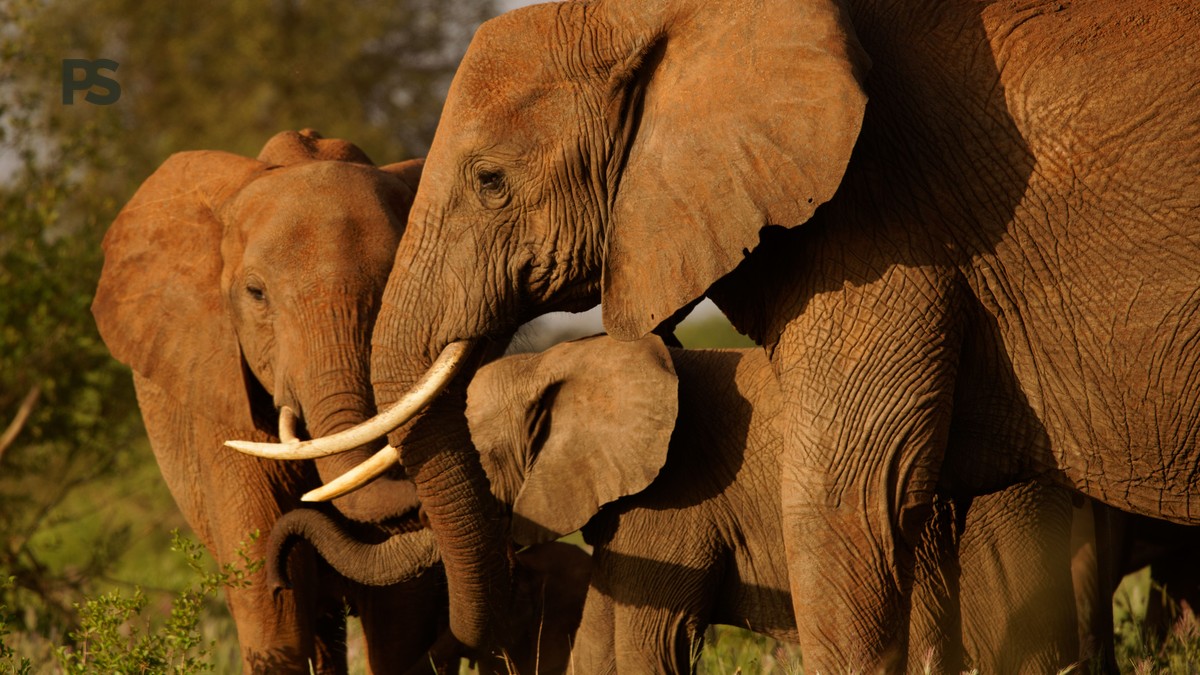
Park choice matters too. Amboseli offers wide-open views of elephants against Mount Kilimanjaro, which kids can spot from the vehicle without straining. Samburu has unique northern species like the reticulated giraffe and Grevy’s zebra, and the Ewaso Ng’iro River attracts lots of wildlife to one spot. Tsavo East is vast and remote, so you might drive long stretches between sightings, which is harder for small attention spans.
A good rule: pick two parks for a first family safari, not three. Read our guide on how many parks to visit on a first safari to see why less is often more.
Family-Friendly Lodges, Camps, and Room Setup
The right camp makes or breaks a family safari. Look for three things: a family tent or suite with separate sleeping areas, a pool, and a flexible meal schedule.
Name brands that genuinely cater to families include Sarova Mara Game Camp in the Mara, which has interconnecting family rooms and a kids’ pool. Ol Tukai Lodge in Amboseli offers large family tents right on the edge of the swamp where elephants wander past at dawn. Ashnil Samburu Camp has a pool and a good kids’ menu. In the private Naboisho Conservancy, base rates run roughly USD 80 to 150 per person per night, bundled into the lodge price, and the lower vehicle numbers mean you can linger at sightings without other cars crowding in.
One of my favorite family moves is staying in a private conservancy like Mara North instead of inside the national reserve. Vehicle limits in the conservancies mean you rarely see more than one or two other vehicles at a kill, which keeps the experience calm and intimate for kids. Many conservancy camps allow children on game drives all day, while the national reserve restricts off-road driving, which can frustrate little ones who want a closer look.
Do not forget to ask about babysitting services. Most mid-range and luxury camps offer in-room babysitting for an extra fee, so parents can enjoy one adult game drive together. This is a real benefit for families with toddlers.
Best Activities Beyond Game Drives
Game drives are the main event, but they are not the only one. Kids burn energy fast, and the best camps have a Plan B.
- Bush schools and junior ranger programs. Many camps in the Mara and Naboisho run half-day nature walks for kids with a trained guide. They learn to identify tracks, birds, and plants.
- Swimming pools. Because a pre-dawn game drive followed by a midday pool session is the perfect rhythm for most children.
- Maasai village visits. A short visit to a nearby village introduces kids to another culture directly. Most camps arrange this for a small fee around USD 20 to 30 per person.
- Balloon safaris. The Mara balloon rides at sunrise cost around USD 450 per adult and USD 350 per child aged 6 to 12. It is expensive, but kids remember it forever.
- Beach add-on. A four-night extension on the Diani Beach coast gives everyone a soft-landing after the safari dust. Warm water, shallow reefs, and zero pressure to see wildlife on schedule.
Food, Snacks, and Picky Eaters
Every family traveler worries about this. The good news: Kenyan safari camps are excellent at feeding children.
The standard meal pattern includes a full breakfast before the morning drive, a packed lunch box for the road, and a three-course dinner back at camp. Most camps have a dedicated kids’ menu with pasta, grilled chicken, chips, and fruit that reset to familiar ground when the adventure gets tiring.
For picky eaters, pack your own backup snacks. Granola bars, crackers, and dried fruit survive the travel well. Avoid bringing fresh fruit or meat through customs, but sealed packaged foods are fine. Also carry rehydration sachets and oral rehydration salts in your medical kit, just in case of a tummy upset.
Sample Kenya Family Itinerary
This is a realistic 8-day itinerary that paces the trip well for kids aged 5 to 12.
Day 1: Arrive in Nairobi. Overnight at a hotel near Wilson Airport. Keep it simple, no game drive today.
Day 2: Morning flight to Amboseli. Afternoon game drive from the camp. The elephants are close and the airstrip is short, so kids stay fresh.
Day 3: Full day in Amboseli with a break for a pool and lunch back at camp.
Day 4: Morning game drive, then a midday flight back to Nairobi and a connecting flight to the Masai Mara. Settle in at camp.
Day 5: Full game day in the Mara or a private conservancy. Pack a lunch and make it a picnic.
Day 6: Morning drive, afternoon at the pool with junior ranger activities.
Day 7: Optional balloon ride before breakfast, then a relaxed morning drive. Afternoon flight back to Nairobi.
Day 8: Dayroom at a Nairobi hotel before your international evening flight, or fly to the coast for a beach add-on.
This itinerary keeps drive times under an hour for every transfer except the airstrip hops, and it gives kids at least one afternoon off from the vehicle each day.
Budget and Typical Family Costs
A family safari in Kenya costs less than you might expect for the quality on offer, but the park fees add up fast.
| Item | Estimated cost (family of 4, USD) |
|---|---|
| Park fees, 2 parks, 6 days total | 1,500 – 3,200 (depending on season and child ages) |
| Lodge rates, mid-range, 6 nights | 3,600 – 6,000 |
| Domestic flights, 2 sectors each | 1,200 – 1,800 |
| eTAs for 4 people | 136 |
| Guide and driver for road segments | 600 – 900 |
| Total | 7,036 – 12,036 |
These are indicative ranges based on mid-range lodges and shoulder-season rates. High-end camps can double the lodge figure. Check our up-to-date Kenya safari park fees page for the latest numbers.
Safety and Practical Travel Tips
Kenya is safe for families who use common sense. Stick with registered guides and camps, avoid walking outside the camp boundaries after dark, and follow the lodge safety briefings. The biggest risks are not wildlife or crime; they are road accidents and stomach bugs. That is why I recommend flying between parks rather than long road days.
One more tip: pack a small first-aid kit with children’s paracetamol, antihistamine, calamine lotion, and a thermometer. Camps have medical kits, but you will want your own at 4:45 AM on a game drive.
The Plain Safaris Difference
We have been on these roads with our own children, and we plan your trip the same way we plan our own. We book family-friendly camps with verified kids’ programs, check minimum ages before we suggest a property, and arrange flights between parks so your children arrive fresh for the wildlife, not grumpy from a 6-hour drive.
We also tell you the honest trade-offs. When a road transfer is actually fine for a 3-year-old, we will say so. When you should spend the extra USD 200 on a flight, we will tell you that too. No fluff, no overselling, just a plan that works for your family.
Plan Your Kenya Family Safari With Us
Traveling to Kenya with kids is entirely doable, and with the right plan, it can be the trip your children talk about for decades. Tell us the ages of your children and your ideal travel month, and we will build a day-by-day itinerary around their attention spans, your budget, and the quietest wildlife corners in the country.
Reach out through our contact page or explore our family safari packages to start the conversation. We will handle the camps, the flights, and the fees, so you can focus on watching your kids see an elephant for the first time.