
You are looking at a map of Kenya, and you have two weeks. One week for the savannah, a few days for the beach. The kids are asking if they will see a lion. Your mother-in-law wants to know if she needs hiking boots. And you are wondering: when do we actually go?
For Dutch-speaking families, the answer is not just about the weather in Kenya. It is about school holidays, the direct KLM flight, and how your budget lines up with the crowds. This is our best time Kenya safari Dutch speakers guide, breaking down the ideal months with those realities in mind.
We have driven these roads and sat in these camps. We know where the queues form in July and where you will have a river crossing to yourself in February. Let us get into it.
Best Time Kenya Safari Dutch Speakers Need: The Short Answer
For most families from the Netherlands, the best times are:
- Late June to October (long dry season). This is the classic safari window. The grass is short, animals gather at water sources, and the wildebeest migration fills the Masai Mara from late July to October.
- January to February (short dry season). The weather is hot and dry. The migration is in the south, but resident wildlife in Amboseli and the Mara is excellent. Fewer crowds than July, and good beach weather.
The long rains (March to May) and short rains (November to December) are cheaper, but they come with trade-offs. We explain those trade-offs honestly in the final section.
Month-By-Month Climate and Rainfall Overview
Kenya sits on the equator, so it is warm year round. The seasons are defined by rain, not temperature.
| Month | Season | Rain | Highlights | Crowds |
|---|---|---|---|---|
| January | Short dry | Little | Amboseli clear views, beach perfect | Moderate |
| February | Short dry | Little | Good predator action, low humidity | Moderate |
| March | Long rains start | Increasing | Low prices, green landscapes | Low |
| April | Long rains | Heavy | Many camps closed, roads muddy | Very low |
| May | Long rains | Heavy, easing | Fewer options, but low rates | Very low |
| June | Dry start | Low | Grass still tall, good for northern parks | Low |
| July | Long dry | None | Migration arrives in Mara, river crossings | High |
| August | Long dry | None | Peak migration and peak prices | High |
| September | Long dry | None | Migration continues, dry grass | High |
| October | Dry to rains | Dry start | Migration leaves, then short rains begin | Moderate |
| November | Short rains | Light showers | Green season, low rates, beach is good | Low |
| December | Short rains end | Drying | Festive season, high prices, crowds return | High |
The Long Dry Season: June to October
This is the time most people picture. The grass is short, which means you see more animals. They do not disappear into tall yellow stalks. Water is scarce, so elephants and antelopes gather at permanent rivers and waterholes.
The Great Migration and the Masai Mara
The wildebeest migration is not a single event. It is a circular movement of over one million animals. They move from Tanzania’s Serengeti up into Kenya’s Masai Mara, usually arriving in late July and staying through October.
The river crossings are the main draw. They happen at the Mara and Talek Rivers. But here is the truth: no one can guarantee a crossing. Herds often wait for days. Then they cross in a chaotic burst that lasts minutes.
Look for a quieter crossing spot. The Mara North Conservancy and Naboisho Conservancy are private lands bordering the reserve. They limit the number of vehicles, unlike the reserve itself. In July and August, the main reserve can have 30 vehicles around one crossing. In Mara North, you might share it with three.
Drive times matter. From the main Sekenani Gate to the Mara River is about 45 minutes. From Mara North headquarters, you can be at an active crossing in 20 minutes if you have a good guide.
What this costs in 2026:
- Masai Mara National Reserve fee: USD 200 per adult per day from July to December.
- Naboisho Conservancy fee: roughly USD 80 to 150 per person per night. This is bundled into your lodge rate.
How Crowded Is It Really?
In August, the reserve is busy. Camps are full. You will see other vehicles. The private conservancies feel different. Vehicle limits are strictly enforced. This is why we often route families through Naboisho or Mara North for the peak season.
Night drives are allowed in some private conservancies, but not in the national reserve. For kids who love nocturnal animals, a stay in Naboisho is a big advantage.
The Short Dry Season: January to March
This is our favorite window for families. The weather is reliably dry, but the worst of the crowds are gone. You trade the river crossings for excellent resident wildlife viewing.
Amboseli and Kilimanjaro
In February, the air is clear. From Amboseli National Park, you can see Mount Kilimanjaro in full view nearly every morning. Elephants walk in front of the mountain. It is a photography dream.
Amboseli is a dry park, so the wildlife concentrates around the permanent swamps. You see large elephant herds, hippos, and buffalo. It is less crowded than the Mara in July.
Park fees in Amboseli are USD 90 per adult per day. This is a fixed KWS rate.
January or July: Which Is Better?
- January: Cheaper, less crowded, fewer vehicles, good for families with young kids who need space. You will see big cats, elephants, giraffes. No river crossings.
- July: Incredible migration action, high drama, but higher prices and more traffic.
If your children are under 10, the patience needed for river crossings can be a challenge. You might wait hours for nothing. In January, the animals are more spread out, but the drive is less stressful.
The Rainy Seasons: Should You Avoid Them?
The short rains (November to December) and long rains (March to May) get a bad name. It is not always a downpour every day. In November, you might get short showers in the afternoon and clear skies in the morning.
What Actually Happens
- Long rains (March to May): Many camps close. The roads in the Masai Mara become thick black cotton soil that turns to mud. A few lodges with all-weather roads stay open, like some in the private conservancies. Amboseli can be fine because the roads are gravel. The coast is rainy but warm.
- Short rains (November to December): These are lighter. Most camps stay open. The landscape turns green. Birders love it. You can get low season rates.
Is It Worth It for Lower Prices?
In April and May, you can find rates 40 to 50 percent lower than July. Some named camps, like Kicheche Mara Camp in the Mara North Conservancy, drop from around USD 650 per person per night in August to USD 390 in April. That is a real difference for a family of four.
But here is the trade-off. Some airstrips in the Mara are unpaved and get closed when soft. Drive times stretch. A 40 minute drive can take two hours. You need a flexible itinerary.
We would advise against the long rains with young children. The short rains in November can work, especially if you stick to Amboseli and the coast.
Which Parks Stay Viable in the Rains?
- Amboseli: Gravel roads, open swamps, reliable year round. KWS keeps main routes graded.
- Samburu: Dry and arid. Light rain actually improves visibility because dust is settled. Good for November.
- Chyulu Hills: Close to Amboseli, but the volcanic tracks can get slippery.
- Tsavo East and West: Huge parks with red dirt roads. In April, some sections get impassable. Stick to the main routes.
Combining a Safari with the Kenyan Coast
Many Dutch families add three or four nights in Mombasa, Diani Beach, or Watamu after the safari. The flight from the Mara airstrip down to the coast takes about 90 minutes with a stop in Nairobi.
Best time for the beach:
- January to February: Hot, dry, perfect water.
- July to August: The coast is dry but cooler, around 27°C. The ocean is warm. This is a good escape from the Dutch summer and the safari crowds.
- April to May: Heavy rains at the coast. Swim season is damp. We suggest skipping.
The drive from Mombasa to Tsavo East is about two hours and 40 minutes. You can break the trip by staying a night at a lodge inside Tsavo. Park fees are USD 80 per adult per day.
Practical Planning for Dutch Travelers
Here is where we beat the generic advice. The details matter for a family from Amsterdam, Utrecht, or Ghent.
Flight Time from Amsterdam to Nairobi
The direct KLM flight from Schiphol to Jomo Kenyatta International Airport takes about 9 hours and 15 minutes. It flies daily. In contrast, a route with a stop in Doha or Istanbul can take 13 to 16 hours total. That extra leg is hard on a 6 year old.
We recommend booking the 10:30 AM departure out of Amsterdam. It arrives in Nairobi in the early evening. You sleep on the plane, then go straight to a hotel near the airport. The next morning, you fly to the Mara or drive to Amboseli.
Dutch School Holidays and Kenyan Seasons
Let us match them.
| Dutch Holiday | Kenya Season | Verdict |
|---|---|---|
| Meivakantie (May) | Long rains end | Some camps opening, low prices, but still wet. Not ideal for the Mara. |
| Zomervakantie (Jul-Aug) | Peak dry season | Perfect for the migration, but book 10 months ahead. Prices are at their highest. |
| Herfstvakantie (Oct) | Dry ending | Good game viewing in first half of October. Then rains start. |
| Kerstvakantie (Dec-Jan) | Short rains ending | Great weather from late December to mid January. Crowds are high around the holidays, then drop after January 5. |
The zomervakantie lines up exactly with the migration. This is why camps fill fast for August. If you can travel in the last week of June before the Dutch schools officially break, you get lower rates and the migration is just arriving.
Visa and eTA for Dutch Citizens
Dutch citizens need an eTA for Kenya. The process is online. You need a passport valid for at least 6 months, a return ticket, and proof of accommodation. Processing normally takes 3 to 5 working days. Do it at least two weeks before you fly.
Malaria Risk by Season
Malaria exists in Kenya year round. The risk is higher in the rainy season because standing water attracts mosquitoes. At elevations like Nairobi and the Mara highlands, the risk is lower. At the coast, it is higher.
In the dry season (July, August, January), you still need prophylaxis, but the mosquito pressure is lower. Bring repellent with DEET. Many safari lodges offer mosquito nets over beds. For kids under 5, talk to your GP or travel clinic about the right medication.
What to Pack: Dry Season vs. Wet Season
Dry season (June to October, January to March):
- Light layers for early morning game drives. It can be 10°C at dawn and 28°C by midday.
- Long-sleeved shirts and pants for evening wear. This protects against mosquitoes.
- Dust-proof camera bags.
- Sunglasses and a wide-brim hat.
Wet season (November to December, April to May):
- Waterproof jacket. Not a poncho, a real jacket.
- Quick-dry trousers.
- Waterproof shoes or sandals that can handle mud.
- Plastic bags to protect electronics.
Year round:
- Binoculars. A good pair makes the difference between seeing a leopard and looking at a rock.
- Power bank. Lodges have charging stations but outlets are limited.
- Reusable water bottle. Many camps have refill stations.
The Plain Safaris Difference
We start with your calendar, not ours. We see which month you have available, then we recommend a circuit that matches the season, your budget, and your children’s ages.
We drive these roads. We know that the road from Emali to Amboseli is potholed after the rains. We know that the Naboisho Conservancy gate is 7 km past the town of Nkoilale, and that a good guide will take the short cut through the Olare Motorogi gate to save 20 minutes with sleepy kids in the back.
We do not herd you into the same three camps. We look at named options like Kicheche Mara in the conservancies, Ol Donyo Lodge in the Chyulu Hills, or Tortilis Camp in Amboseli. We compare real low season and high season rates so you know what you are paying for.
For families, we pace the circuit. A 3 night stay in Amboseli, then a short flight to the Mara instead of a 6 hour drive. We book night drives in private conservancies. We make sure the lodge accepts children of all ages, not just over 6.
We do not chase empty superlatives. We just plan the logistics so you get there.
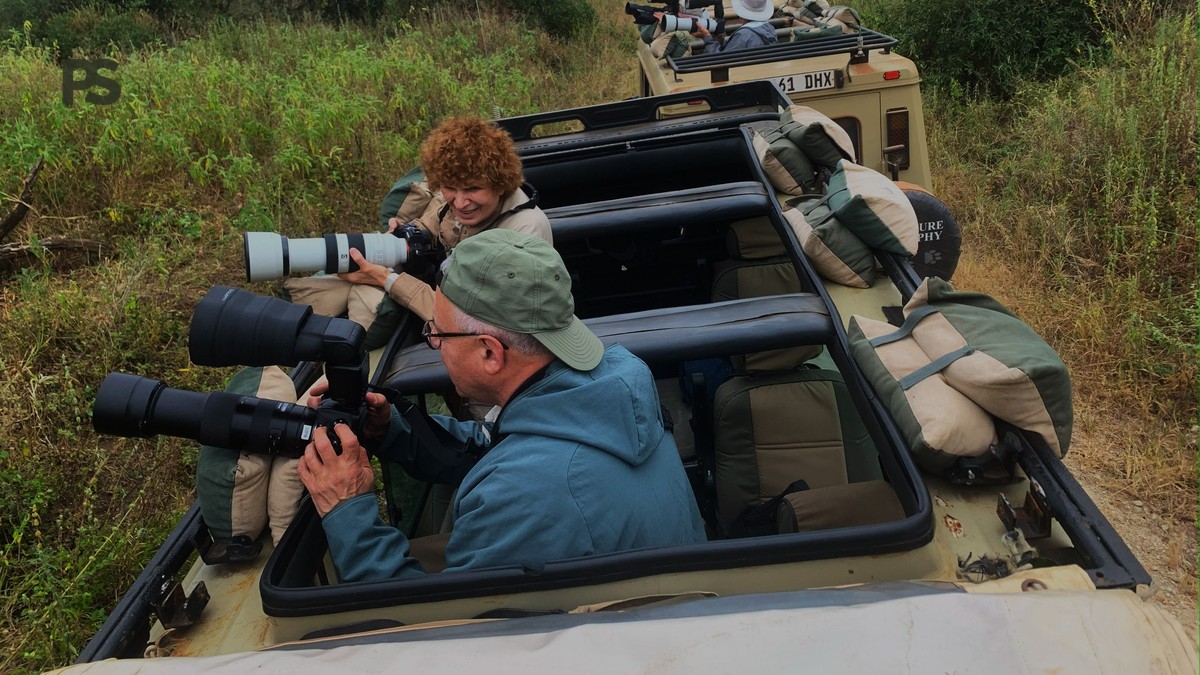
If you want a private guide and a vehicle just for your family, we recommend our photography safari option. It is built for people who slow down and watch.
If you need a full itinerary with lodge recommendations, airport transfers, and daycare awareness, start with our family safari planning page.
Closing: Let Us Plan Your Kenya Safari
The best time to visit Kenya for your family depends on your school calendar and what you want to see. We can make either the dry season or the short rains work for you.
Planning a family safari to Kenya with a direct flight, a pace that suits your kids, and a camp that fits your budget takes time. That is what we do.
Tell us your dates and the ages of your children. We will find the right window, the right conservancy, and the right price.
Reach out through our contact page to start the conversation.