
A Lake Bogoria hot springs visit starts with the drive: the lake sits in the Kenyan Rift Valley, roughly 4.5 to 6 hours north of Nairobi. It’s one of the most underrated stops on a Rift Valley route: a soda lake ringed by steep escarpment cliffs, over 200 geothermal pools along its western shore, and flocks of lesser flamingos that turn the shallows pink on a good day. On Plain Safaris’ small-group safaris through the Rift Valley lakes, we build in about half a day here, enough time to walk the geyser fields, watch the birds, and boil an egg in water hot enough to cook it. Here’s what actually happens when you visit, step by step.
1. Start a Lake Bogoria hot springs visit with the basics
The hot springs are a cluster of more than 200 geothermal pools, fumaroles, and geysers concentrated at two spots, the Loburu field and the Chemurkeu field. Water temperatures run from 94°C up to boiling, and some geysers shoot steam and water up to 5 meters into the air. The whole system sits on the Rift Valley’s fault lines, the same geology that shapes lakes across this stretch of Kenya. If you want the bigger picture, our Rift Valley geology safari guide explains how this fault system built every lake from Naivasha to Turkana.
2. No, you can’t swim in them
This trips up a lot of first-time visitors. The springs are too hot to touch or swim in, with most pools well above 90°C. Stay on the marked paths, wear closed shoes, and avoid any ground that looks thin, cracked, or damp, since the crust around some pools can give way underfoot. Keep young kids close and don’t let anyone wander off the trail for a better photo. It’s an impressive place to look at, not a place to bathe.
3. Plan on a 4.5 to 6 hour drive from Nairobi
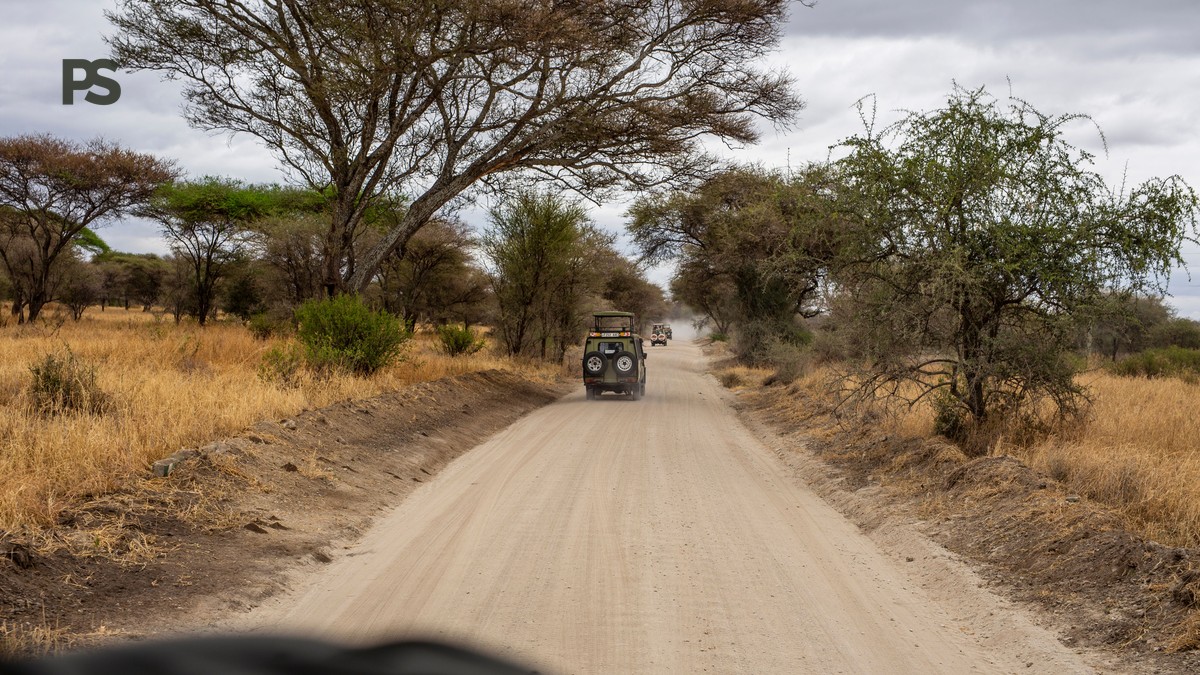
Lake Bogoria is roughly 240 to 250km north of Nairobi. The route runs on the A104 through Nakuru, then on through Marigat, and takes 4.5 to 6 hours depending on traffic through Nakuru town. A 4×4 is worth it, especially in the rainy season when the last stretch of road softens. There’s no airstrip serving the reserve directly, so this is a road trip, not a fly-in stop. Most Plain Safaris itineraries pair the drive with a stop in Nakuru or Naivasha, so the day doesn’t feel like transit alone.
4. Check the gate hours and bring cash
The reserve gates run from 8:00am to 6:00pm daily. Recent traveler reports put non-resident adult entry at roughly USD 50, with a much lower rate for Kenyan citizens paid in KES, though we’d treat that figure as indicative rather than fixed. Gate payments are typically cash-only, so carry local currency and confirm the current published rate before you travel.
5. Time your visit for flamingos, not just geysers
The geysers erupt year-round, so timing doesn’t matter much for that part of the trip. Flamingos are the variable. Numbers peak during the dry months, July to October and January to March, when up to two million lesser flamingos can gather to feed on the lake’s algae. That said, flocks shift between Bogoria and nearby lakes without warning, so a big flamingo day is never guaranteed. If birding is your main goal, our 2-day Lake Bogoria birding plan covers a longer stay with better odds and over 350 recorded species to look for.
6. Boil an egg and walk the shoreline
Local vendors near the reserve sell eggs specifically for this. Lower one into the right pool at Loburu and it’s cooked in a few minutes flat, a genuinely fun stop for kids on a family circuit. Beyond that, walk or cycle the shoreline trails, scan for greater kudu (rare almost everywhere else in Kenya), and if you have extra time, detour to Kesubo Swamp for wetland birding. A half day covers the geysers and flamingos. A full day lets you add the swamp and a proper shoreline walk.
7. Where to base yourself for the night
Most visitors stay near Marigat town, which has simple guesthouses close to the gate, or at one of a handful of small lodges and tented camps just outside the reserve with escarpment and lake views. Expect a wide range here, roughly USD 40 to 150 per person per night depending on the property, so it’s worth confirming rates directly when booking. Some travelers push on to Lake Baringo, about 45 minutes further north, and split the two lakes across one overnight stop.
8. Bogoria or Baringo, if you can only pick one
Bogoria wins on geothermal activity, flamingo density, and dramatic cliff scenery. Baringo wins on boat trips, hippos, crocodiles, and calmer freshwater birding. Neither lake gives you both, so if your schedule allows it, loop through both from Nakuru rather than choosing one. Our Lake Baringo or Bogoria comparison breaks down which lake fits a shorter trip and which rewards an extra night.
| Lake Bogoria | Lake Baringo | |
|---|---|---|
| Main draw | 200+ geysers, hot springs | Boat trips, hippos, crocodiles |
| Drive from Nairobi | ~240-250km, 4.5-6 hrs | ~285km, 5-6.5 hrs |
| Water type | Alkaline soda lake | Freshwater |
| Flamingo numbers | High in dry season | Lower, more sporadic |
| Entry fee (non-resident, indicative) | ~USD 50/adult | Varies by conservancy/boat operator |
| Best paired with | Nakuru, Rift Valley loop | Bogoria, overnight extension |
A Lake Bogoria hot springs visit works best as one clear half-day stop on a longer Rift Valley loop, not a destination on its own. That’s how we usually build it into small-group safaris out of Nairobi, with enough drive-time buffer that nobody’s rushing the geyser walk or the egg-boiling stop.
Plan the drive with Plain Safaris
If you want Lake Bogoria worked into a proper Rift Valley itinerary, with the drive stages, gate timing, and an overnight stop already sorted, get in touch through our contact page and we’ll build it around your dates.