
If you’ve already ticked off the Maasai Mara and done the standard Amboseli elephant run, Chyulu Hills is the kind of place that resets your idea of what a Kenya safari can feel like. This guide covers what a Chyulu Hills safari Kenya trip actually involves: real distances, lodge prices, and how it fits with Amboseli and Tsavo. It sits in a green volcanic range between Amboseli National Park and Tsavo West, and almost nobody goes there on its own. That’s the honest starting point for this guide. Chyulu Hills works best as a 2 to 3 night add-on to an Amboseli or Tsavo circuit, not a standalone destination, and anyone telling you otherwise is selling you something.
What and Where Chyulu Hills Actually Is
Chyulu Hills National Park covers about 741 square kilometers of rolling volcanic hills, gazetted in 1983. It sits roughly between Amboseli to the southwest and Tsavo West to the east, close enough that you can see one from the other on a clear day. The hills themselves rise to just over 2,100 meters, covered in grass and cloud forest rather than the dry acacia scrub you’d expect this close to the Tsavo plains.
Ernest Hemingway wrote about these slopes in “Green Hills of Africa,” and the name still fits. Mist rolls over the ridgeline most mornings, even in dry season, because the hills catch moisture off Mount Kilimanjaro’s weather system next door.
How the Hills Were Formed
Chyulu Hills is one of the youngest volcanic landscapes in East Africa. The chain of over 300 cinder cones formed from eruptions that geologists believe happened as recently as a few hundred years ago, which is almost nothing on a geological clock. That young volcanic rock is porous, so rainwater sinks straight through it instead of forming rivers on the surface.
That water doesn’t disappear. It travels underground and resurfaces at Mzima Springs in Tsavo West, days or weeks later, filtered clean through volcanic rock. It’s also why Chyulu Hills has the Leviathan Cave, a lava tube system stretching over 11 kilometers that ranks among the longest in the world. Guided caving trips from Campi ya Kanzi go into sections of it.
Wildlife You Can Actually See
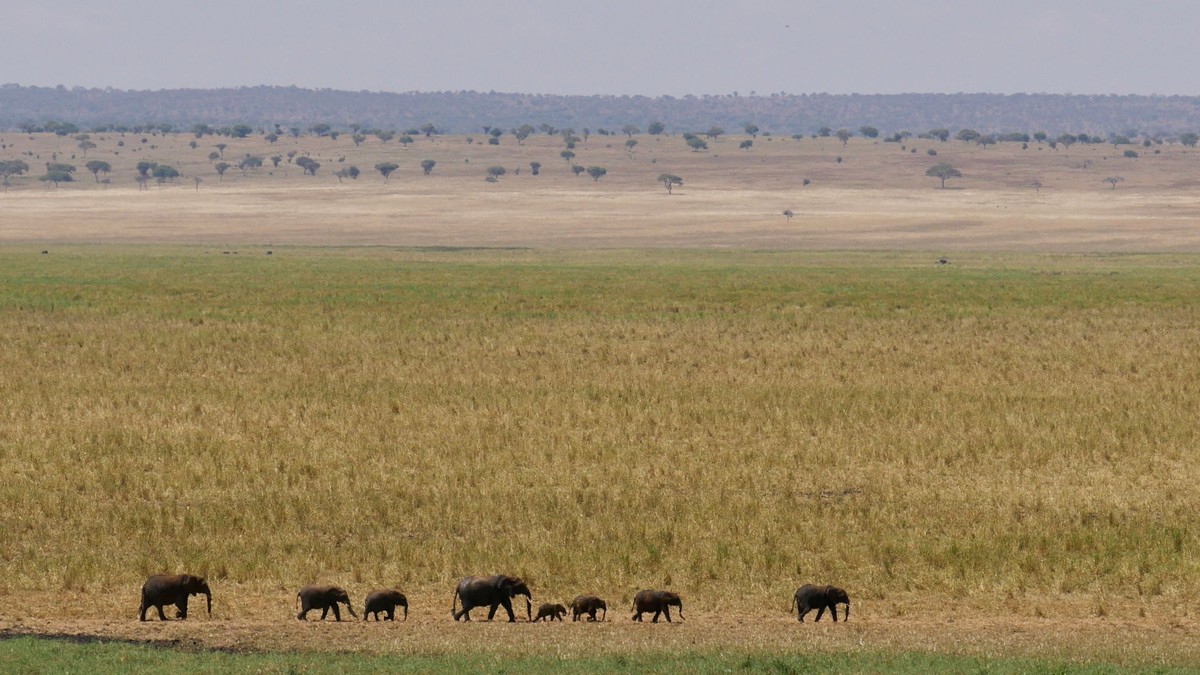
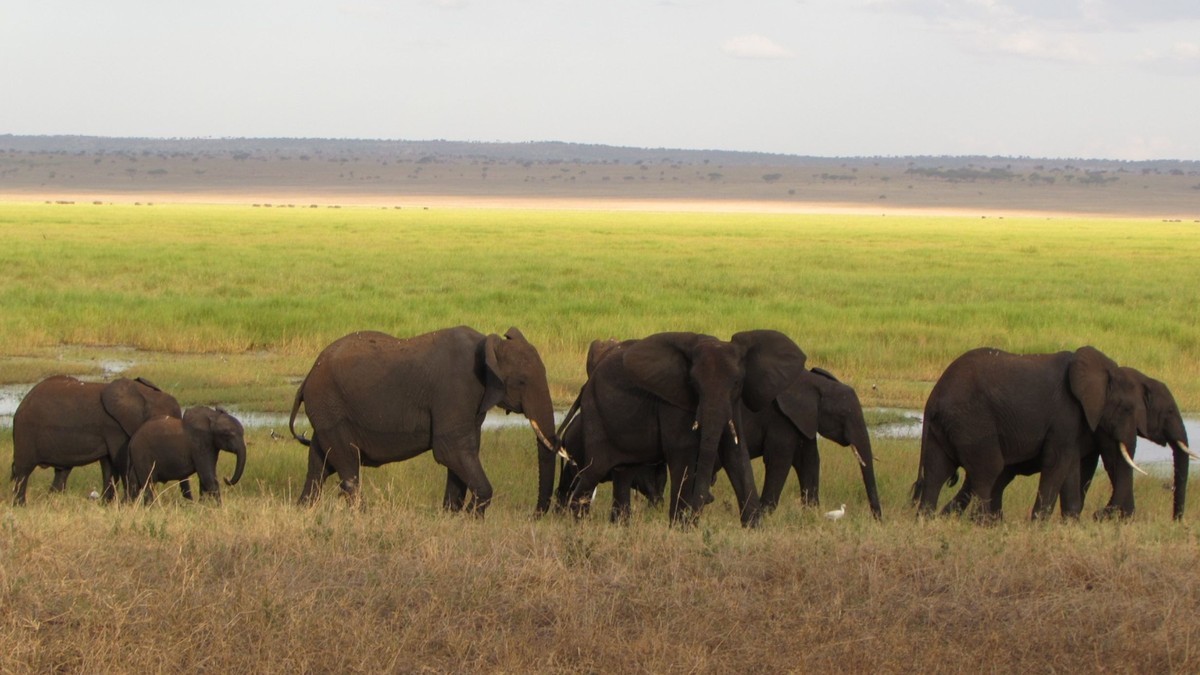
Be clear-eyed about this part. Game density in Chyulu Hills is lower than in Amboseli, and it’s not a Big Five tick-box destination. What you get instead is space and quiet. Elephant move through the hills in smaller, more relaxed groups than the crowds you’ll see at Amboseli’s swamps. There’s a resident population of eland, giraffe, zebra, lesser kudu, and buffalo, plus a healthy population of leopard and cheetah.
Lion numbers are lower and sightings are less predictable than Amboseli or the Mara. Wild dogs pass through occasionally, and both lodges track them when they do. If you’re coming from a Mara trip chasing the next lion sighting, recalibrate. Chyulu Hills rewards people who want to walk, ride, and look at landscape as much as animals.
Things to Do Beyond Game Drives
This is where Chyulu Hills earns its place on a repeat visitor’s itinerary. Ol Donyo Lodge runs horseback safaris for experienced riders, letting you canter alongside zebra and giraffe on open grassland, something you can’t do in a vehicle-only park. Walking safaris with armed Maasai guides cover both properties, and mountain biking routes wind through the lower hills.
Caving trips into Leviathan Cave run from Campi ya Kanzi with local guides who know the tunnel system. Scenic flights over the Chyulu range and Kilimanjaro are easy to arrange from either lodge’s airstrip, usually 20 to 30 minutes in a light aircraft.
On clear mornings, both camps get direct views of Kilimanjaro’s snowcap, something Amboseli only delivers reliably at dawn before cloud builds up. Chyulu’s elevation keeps the mountain visible later into the day.
Where to Stay: Two Camps, Two Styles
Chyulu Hills has exactly two lodges worth knowing about. That’s not a gap in this guide, it’s the actual state of the destination, and it shapes how you should plan around it.
| Lodge | Location | Style | Rooms | Indicative rate (per person/night, all-inclusive) |
|---|---|---|---|---|
| Ol Donyo Lodge | Mbirikani Group Ranch | High design, horse riding focus | 8 suites | USD 1,200-1,600 |
| Campi ya Kanzi | Kuku Group Ranch | Rustic-luxury, conservation-led | 8 cottages/tents | USD 700-1,000 |
Ol Donyo, run by Great Plains Conservation, is the more polished of the two, with private plunge pools and a strong horse program. Campi ya Kanzi partners directly with the Maasai Wilderness Conservation Trust, and a portion of every stay funds anti-poaching and community projects on Kuku Group Ranch. Rates above are indicative and move with season and currency, so confirm current pricing before booking.
Best Time to Visit Chyulu Hills
Dry seasons, June through October and January into February, give the clearest views and easiest walking conditions. Long rains fall April and May, short rains in November, and the hills turn a deep green that photographs beautifully but makes some walking trails slippery.
Because Chyulu Hills sits at higher elevation than Amboseli, nights are cooler year-round. Pack a proper fleece even in August. Unlike Amboseli’s swamps, which draw more animals in dry months, Chyulu’s wildlife viewing doesn’t swing as hard between seasons, so timing here matters more for comfort and scenery than for game numbers.
Getting There from Nairobi, Amboseli, and Tsavo
| Route | Distance | Drive time | Fly time |
|---|---|---|---|
| Nairobi (Wilson Airport) to Ol Donyo/Kanzi airstrip | ~230 km by road | 4.5-5 hours | ~45 minutes |
| Amboseli to Chyulu Hills | ~90 km via Kimana Gate | ~2 hours | 15-20 minutes |
| Tsavo West (Chyulu Gate) to Chyulu Hills | Shared border | 30-45 minutes | N/A |
Most repeat visitors fly. SafariLink and Air Kenya run scheduled flights from Wilson Airport most mornings, landing on either lodge’s private airstrip. Driving from Nairobi means joining the Nairobi-Mombasa highway to Emali, then turning onto rougher murram roads for the final stretch, so budget the full 5 hours if you’re self-driving or in a safari vehicle.
Entrance Fees and Costs
Chyulu Hills National Park is classified by Kenya Wildlife Service as a low-use park, so fees run lower than neighboring Amboseli. Expect around USD 25 per adult per 24 hours (indicative, confirm current KWS rates before travel), compared to Amboseli’s roughly USD 60-70. Most of the land bordering the two lodges is actually community group ranch, not park land, so a conservation fee charged directly by the lodge often applies on top of any park entry, typically built into the nightly rate.
Combining Chyulu Hills with Amboseli and Tsavo
This is the routing question that actually matters. Because Chyulu Hills sits directly between Amboseli and Tsavo West, it slots into an existing itinerary without adding a detour. A workable pattern: 3 nights Amboseli for classic elephant-and-Kilimanjaro game drives, 2 to 3 nights at ol Donyo or Campi ya Kanzi for horse riding and walking, then straight into Tsavo West for 2 nights without backtracking to Nairobi.
Don’t cut Amboseli or Tsavo time short to fit Chyulu in. Treat it as the connective, slower middle chapter of a trip, not a park you drive game circuits in all day.
Is Chyulu Hills Worth Visiting?
For a first-time safari visitor, no, not as a priority. Spend that time in the Mara or Amboseli, where density and predictability matter more. For a repeat visitor who has already seen the big cats and wants something quieter, Chyulu Hills is worth 2 to 3 nights, especially if horseback riding or caving appeals to you.
The trade-off is honest: lower game density, only two lodges, and higher per-night rates at Ol Donyo, against genuine quiet, real Kilimanjaro views, and activities you won’t find on a standard circuit.
The Plain Safaris Difference
We don’t sell Chyulu Hills as a headline destination, because it isn’t one, and pretending otherwise wastes your park days. What we do is build routes where Chyulu Hills earns its place, usually as the pause between Amboseli’s swamps and Tsavo’s dust, timed so you land at ol Donyo or Campi ya Kanzi with enough daylight left for an evening walk. We’ve driven the Emali road ourselves, we know which gate at Tsavo West saves you 40 minutes, and we’ll tell you straight if a Mara extension would serve you better than a third Chyulu night.
Plan Your Chyulu Hills Safari Kenya Trip
If you’re ready to see where Chyulu Hills fits into your next Kenya trip, we can build a route around it that makes sense for your time and budget. Get in touch through our contact page and we’ll put together an itinerary worth the drive.